Ramp Payments Explained: Why You’re Redirected and Why There’s Nothing to Worry About
Dec 27, 2025
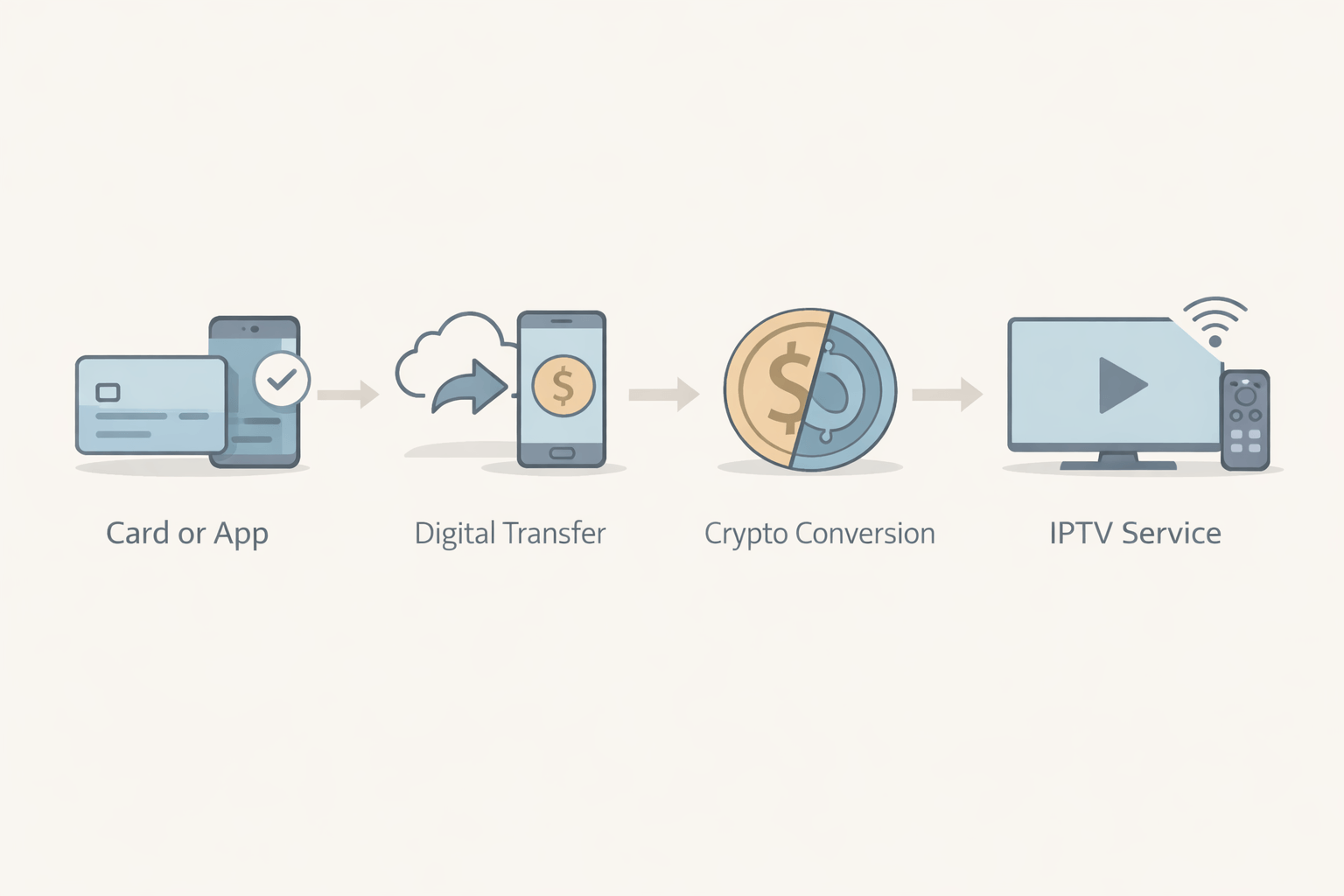
Some customers are surprised when paying with a card, Revolut, or Coinbase leads to a crypto checkout page. This article explains calmly what is happening, why it is normal, and why there is no reason for concern.
Why This Article Exists
After introducing additional payment methods, we noticed recurring questions from customers. Most of them appear when users are redirected during checkout or suddenly see crypto-related terminology.
These reactions are understandable, especially for users who do not regularly use cryptocurrency. This article exists to explain what happens in the background, when verification may be required, and why your personal data never reaches us.
Our Payment Methods at a Glance
We currently support two different payment paths. Understanding the difference between them removes most confusion and makes the checkout process much clearer.
Direct Crypto Payments
- Bitcoin (BTC)
- Litecoin (LTC)
- USDT (Tether)
These payments are fully direct. No redirection is involved, no third parties handle the transaction, and no additional verification is required. If you already use crypto, this is the simplest option.
Card, Revolut, and Coinbase Payments
With these options, traditional money is used, but the settlement still happens via cryptocurrency. A conversion step is required, which is why an external payment flow appears.
What a Ramp Actually Is
A crypto ramp is simply a technical bridge between traditional payment methods and cryptocurrency. It converts your payment into crypto and forwards it to the destination wallet.
Ramp systems do not sell IPTV, do not manage subscriptions, and do not control service activation. Their role ends the moment the crypto transfer is completed.
Why You Are Redirected During Payment
When you pay with a card, Revolut, or Coinbase, you are not paying us directly. Regulated financial platforms must process these payments inside their own secure environment.
The redirection exists to protect both the customer and the merchant. It is a normal and expected part of the process.
If you have ever used PayPal, Apple Pay, or Google Pay before, this is conceptually the same kind of redirection — just for crypto settlement.
Why It Looks Like a Crypto Investment Page
Ramp interfaces are designed for general crypto conversion, not only for IPTV payments. Because of that, wording such as "buy crypto" or asset names may appear.
This does not mean you are investing, trading, or opening a crypto account for speculation. The crypto is converted and immediately transferred. There is no holding period and no market exposure.
Revolut Explained Properly
Revolut does not rely on third-party ramp providers. It uses its own internal crypto infrastructure, which makes the payment flow smoother and more familiar to Revolut users.
If your Revolut account is already verified, no additional verification is required when making payments via Revolut.
Coinbase Pay Explained Properly
Coinbase Pay is Coinbase’s own native payment and transfer system. It allows users to authorize crypto purchases or transfers directly from their Coinbase account.
When using Coinbase Pay, the entire process stays within the Coinbase ecosystem. Any verification is handled solely by Coinbase and never shared with us.
Why Verification May Be Required
Verification, when it appears, exists because payment platforms must comply with anti-fraud and anti–money laundering regulations. It is not something we request or control.
In most cases, verification is one-time only and depends entirely on the platform and payment method used.
Your Data Stays Private
We never receive identity documents, payment details, card information, or account credentials. We do not store any personal financial data.
From our side, we only see a completed crypto transaction and the associated transaction hash.
Why We Use Crypto Settlement
Direct card processing for IPTV leads to chargeback abuse, frozen merchant accounts, and unstable service. Crypto settlement avoids these issues and allows faster, more reliable activation.
If You Prefer to Avoid Ramps
You can always choose direct payments using Bitcoin, Litecoin, or USDT. These options involve no redirection and no verification.
Final Clarification
Being redirected during checkout is normal and safe. You are not investing, your data remains protected, and the process ends once your access is activated.
Ready for IPTV Streaming That Just Works?
Explore expert guides, trusted IPTV provider insights, and premium streaming tips.
Get Started